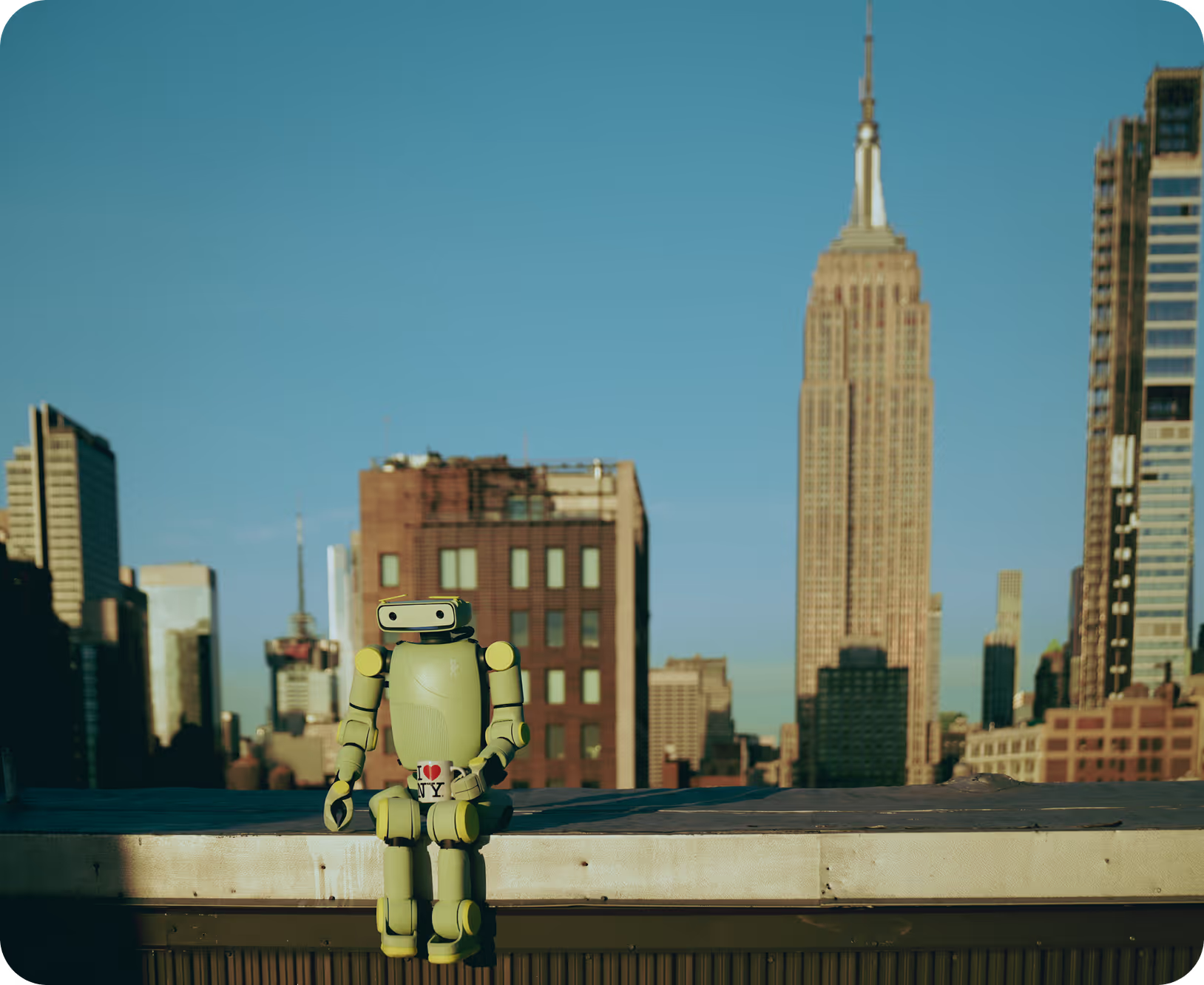
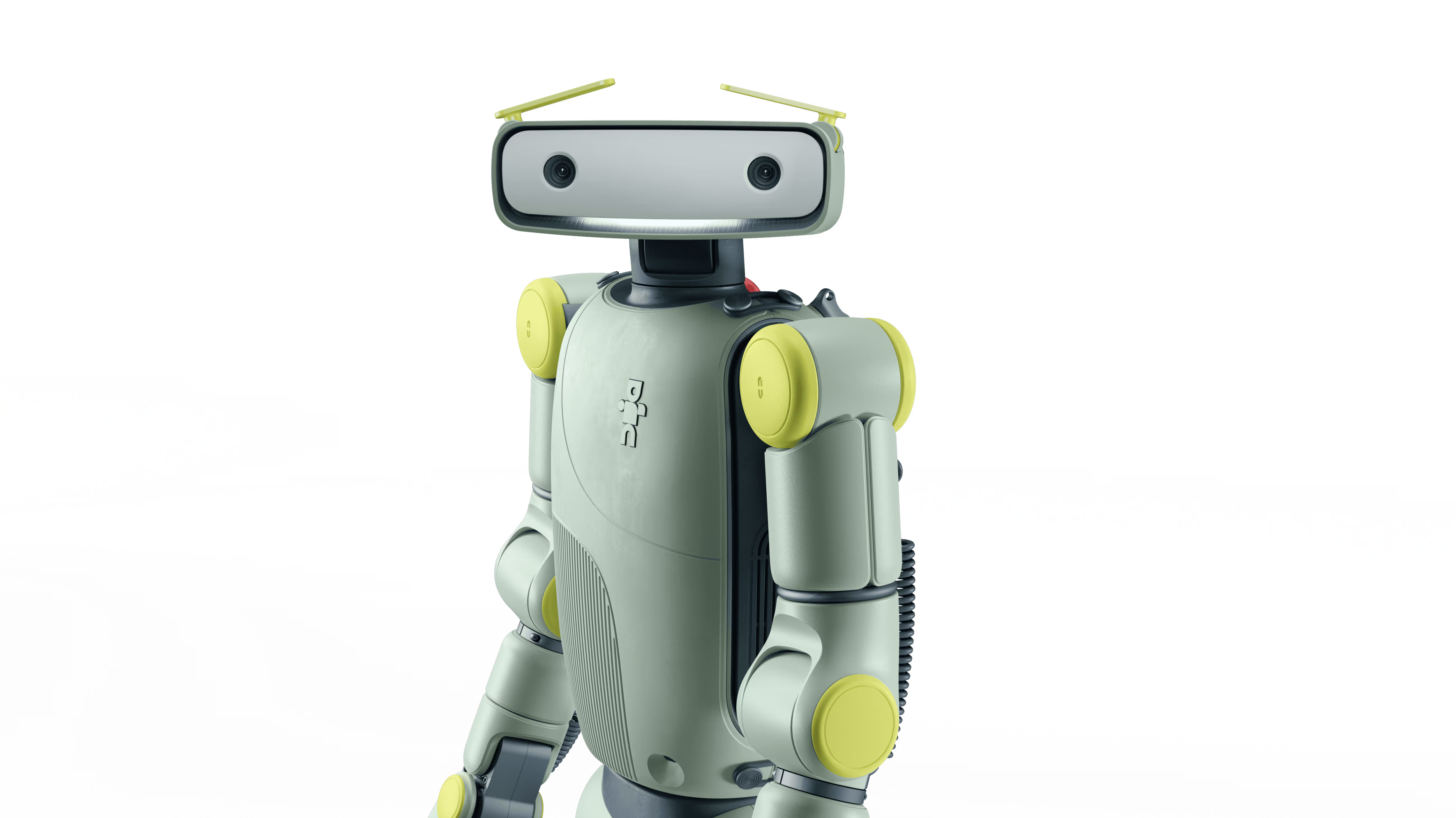
Introduces Sprout, a Developer-First Humanoid Platform
Title with multiply lines. Title with multiply lines. Title with multiply lines. Title with multiply lines. Title with multiply lines.
For decades, robots have been designed for factories first — controlled environments, predictable tasks, and strict separation from people. That model worked. But it also set clear limits.
The next generation of robotics won’t live behind cages.
It will operate in homes, offices, stores, schools, and public spaces — environments shaped by people, not machines. Building robots for those spaces requires a fundamentally different approach.
Title with multiply lines. Title with multiply lines. Title with multiply lines. Title with multiply lines. Title with multiply lines.
Most existing platforms were never meant to operate around people. They are:
- Heavy and overpowered
- Designed for repetition, not interaction
- Difficult to adapt outside narrow use cases
- Closed systems with limited extensibility
As a result, developers are often forced to stitch together hardware, software, and safety systems that were never designed to work as a whole.
Title with multiply lines. Title with multiply lines. Title with multiply lines. Title with multiply lines. Title with multiply lines.
At Fauna, we believe robotics needs the same shift that computing went through decades ago: from specialized machines → to general-purpose platforms.
Robotics isn’t something you build alone. It requires an ecosystem.
Human spaces are unpredictable.People move, talk, gesture, interrupt, and improvise. Designing robots for these environments means thinking beyond raw capability.